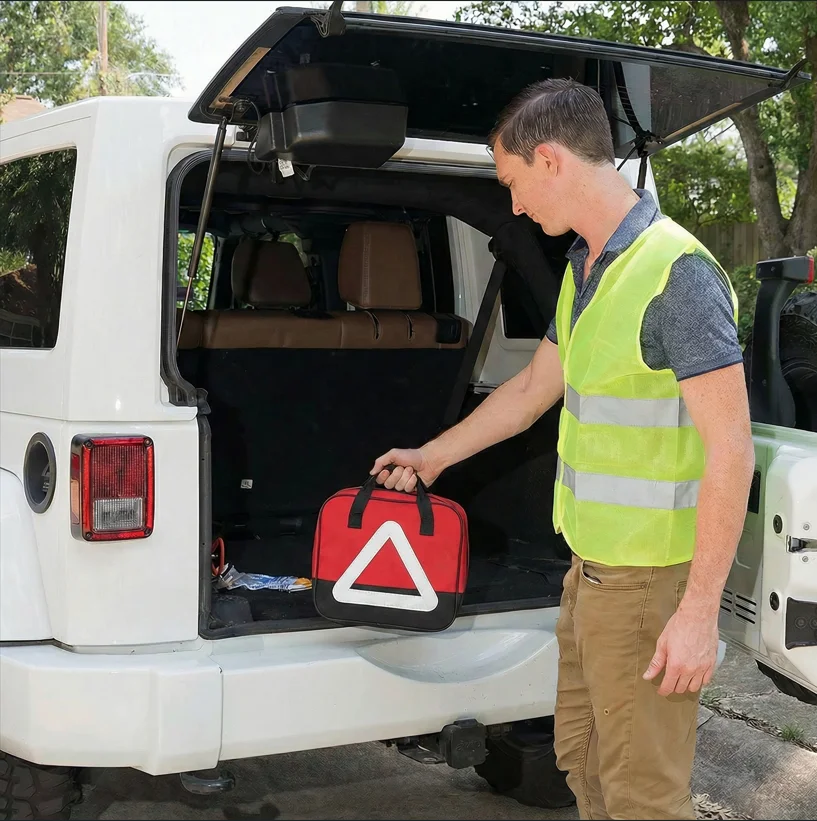
It is late. The highway is dark. A car has pulled over with a dead battery, and the driver is standing outside in the cold with no jumper cables, no reflective vest, no way to signal oncoming traffic. A passing car stops — but only to say they don't have cables either.
This is not a rare scenario. AAA in the United States responds to over 32 million roadside assistance calls every year. Dead batteries and flat tires account for the majority. In most cases, the driver had no tools, no safety equipment, and no plan. The wait for help averages 45 minutes — longer in rural areas, longer in bad weather.
The gap is not between drivers who know how to fix a car and those who don't. It is between drivers who have the right tools in the trunk and those who don't. Most people never think about it until the moment they need it.
For most of driving history, "being prepared" meant keeping a spare tire and knowing how to change it. That was the standard. But modern cars have changed the equation: run-flat tires, TPMS sensors, and push-button ignitions have made drivers less hands-on, not more. The result is a generation of drivers who are more aware of problems — thanks to dashboard warnings — but less equipped to handle them.
At the same time, driving patterns have shifted. More people drive long distances for work, travel rural routes, and rely on their cars in conditions — winter storms, remote highways, late-night commutes — where help is not close by. The risk of being stranded without tools has gone up, while the average driver's mechanical confidence has gone down.
The market response to this shift is the modern roadside emergency kit — a compact bag that covers the most common breakdown scenarios without requiring any mechanical knowledge. Sales of these kits have grown steadily in North America and Northern Europe, driven largely by gift purchases and post-breakdown decisions. Once a driver has been stranded, they buy a kit. Often, they buy one for every car in the household.

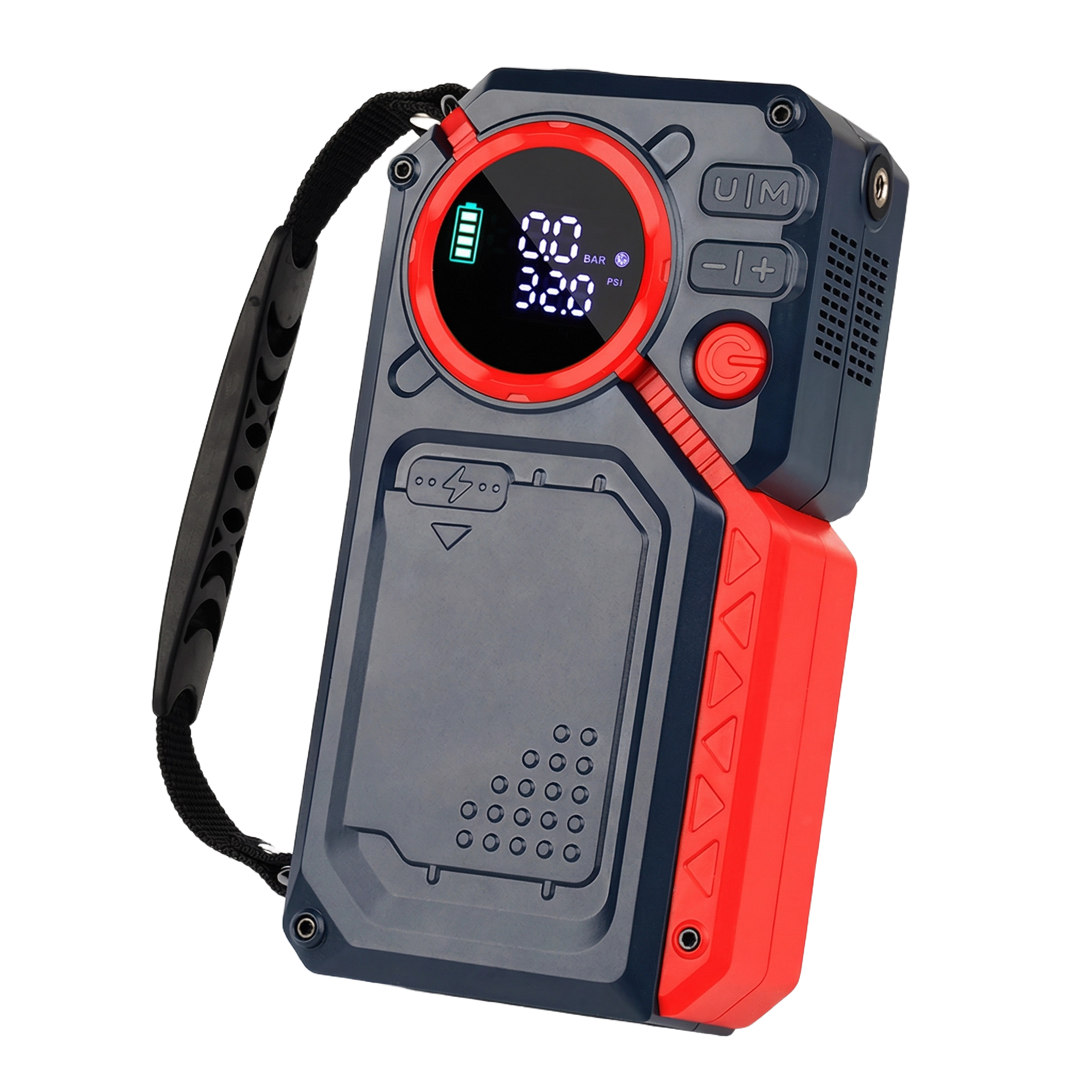
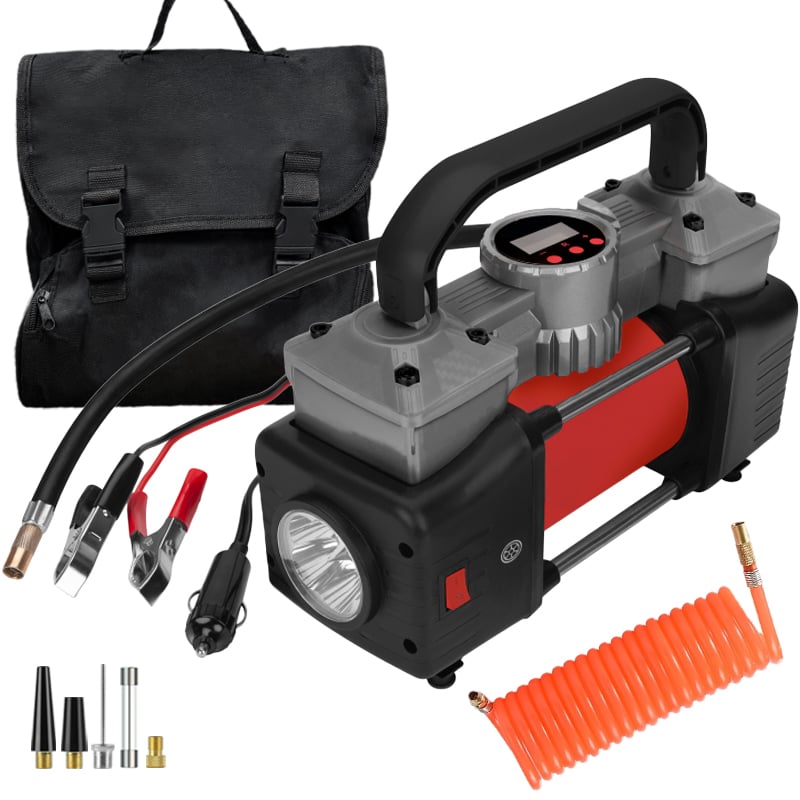
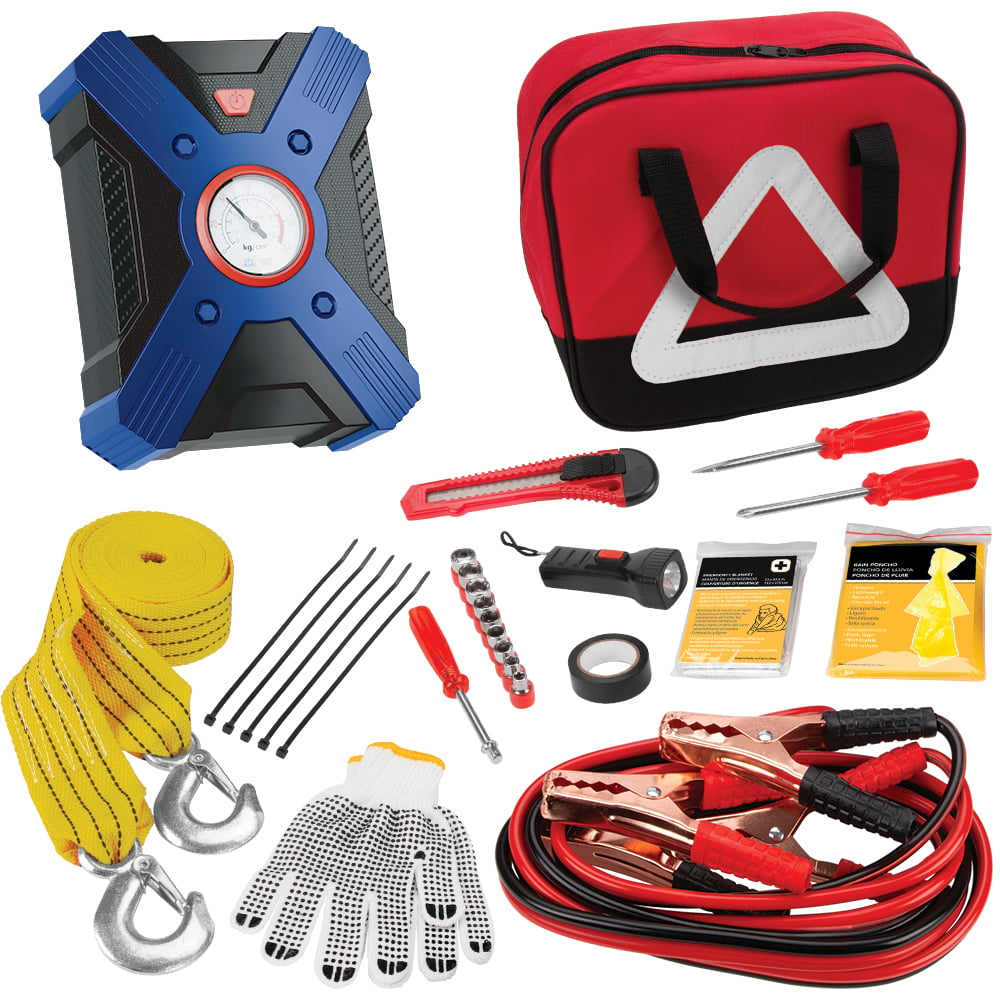
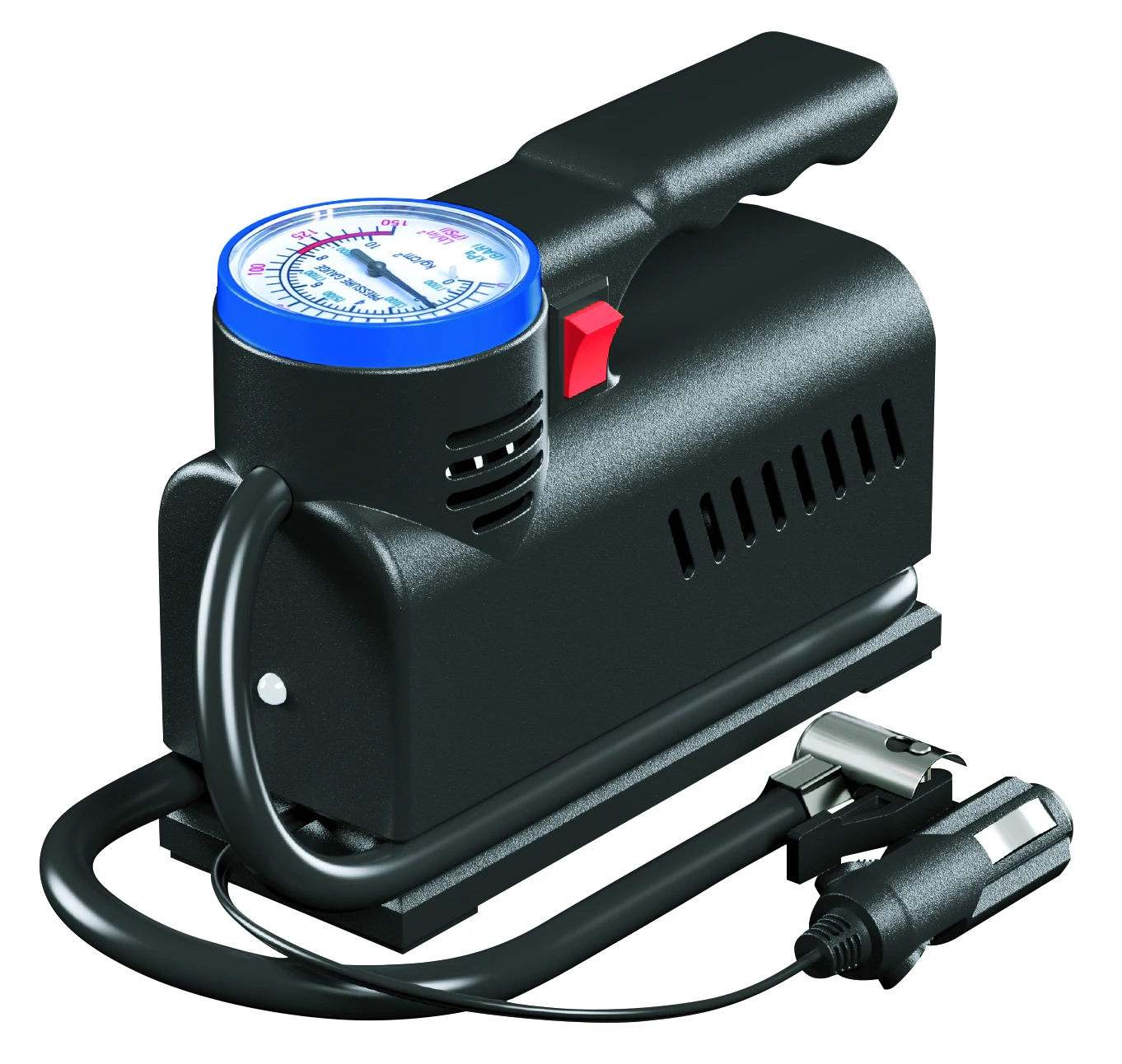
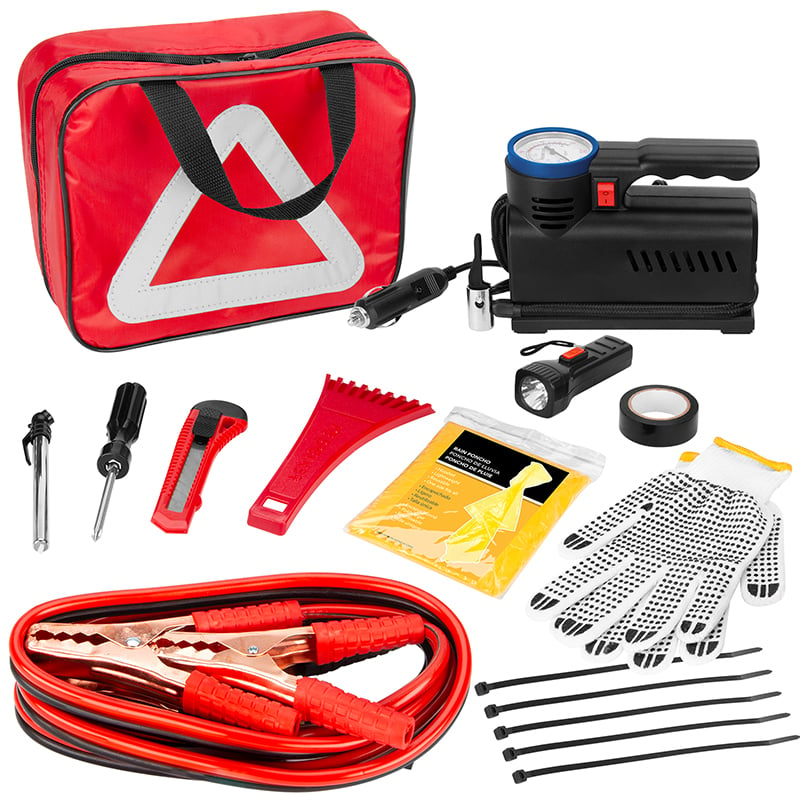
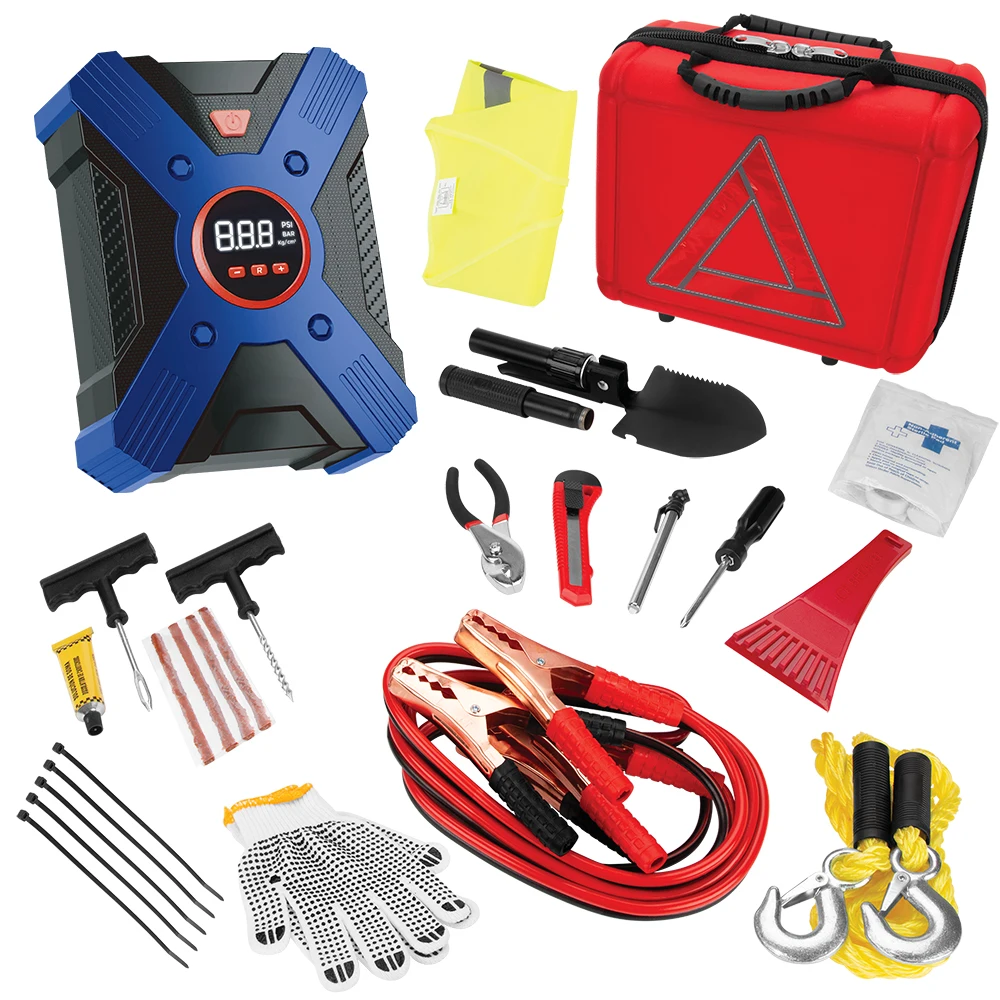
A driver stranded on the road faces a predictable set of problems. A dead battery needs jumper cables and another vehicle — or a jump starter. A flat tire needs an inflator or a plug kit. Poor visibility at night or in bad weather needs reflective triangles and a safety vest. A minor injury needs a first aid kit. In winter, a snow shovel and ice scraper are the difference between getting out and being stuck.
None of these situations require mechanical expertise. They require having the right item in the trunk. A driver who has never changed a tire in their life can still use jumper cables. A driver who has never used a tire plug kit can follow the instructions in under five minutes. The tools do the work — the driver just needs to have them.
This is why the format of a complete kit — everything in one bag, organized and ready — matters more than individual items. A driver who has to remember to pack cables, a vest, a first aid kit, and an inflator separately will forget something. A driver who has one bag in the trunk has everything.

Roadside emergency kits are one of the few automotive product categories where the purchase decision is almost entirely emotional. The buyer is not comparing specifications — they are buying peace of mind. They want to know that if something goes wrong, they will not be helpless. That emotional driver makes the category resilient: it sells year-round, with spikes in autumn and winter, and it generates strong word-of-mouth and repeat purchases across households.
For brands and retailers sourcing in this category, the key differentiator is completeness. A kit that covers all the main scenarios — tire, battery, visibility, injury, winter — commands a higher price point and earns better reviews than one that covers only two or three. The carry bag matters too: a well-designed bag signals organization and quality before the customer even opens it.
Fitco manufactures roadside emergency kits in three configurations — 22pc, 33pc, and 44pc — covering entry-level to premium market positions. All include CE and RoHS certified components. If you are sourcing in this category, we are happy to send samples across all three tiers so you can evaluate the quality directly.
Sourcing Roadside Emergency Kits for Your Market?
Contact Fitco for samples across all three kit tiers. Response within 24 hours.

Shanghai Fitco: We OEM/ODM tire inflators, automotive tools & jump starters for importers, distributors, retailers all over the world for 20+ years.

Chat with us on WhatsApp
Room 1603, Zstar Plaza, No. 7, Pubei Road, Xuhui District, Shanghai, China.
Copyright © Shanghai Fitco Industrial Tools Company All Rights Reserved Privacy Policy
 EN
EN