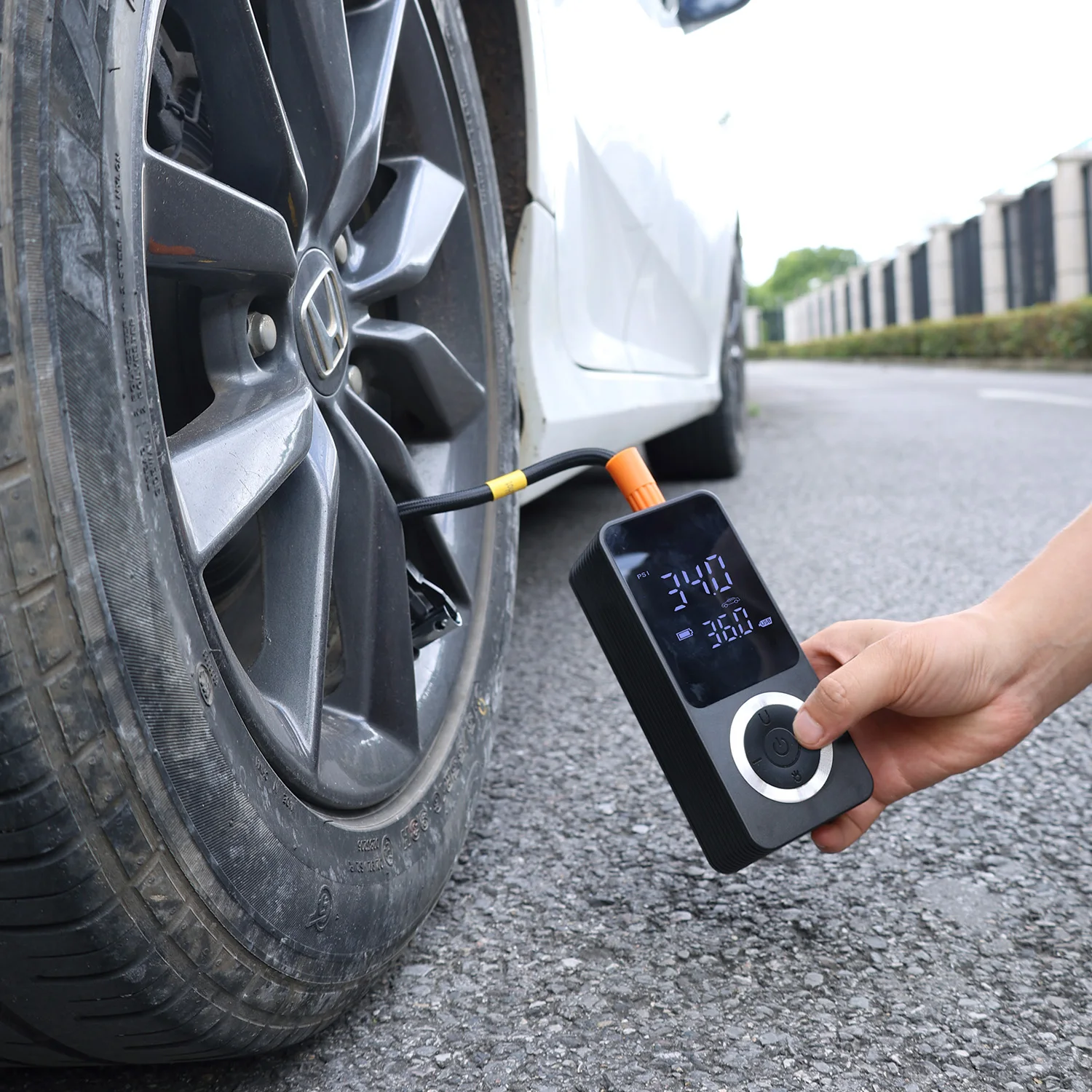
It rarely happens at a convenient time. A slow puncture overnight, a pressure warning light on the highway, a visibly flat tire in a parking lot before an early meeting. For most drivers, the immediate reaction is the same: look around for a gas station, check if roadside assistance is worth calling, and hope someone nearby can help.
The problem is not the flat tire itself. The problem is the dependency. Most drivers have no tools in the car, no plan for what to do, and no way to handle it themselves. They are completely reliant on external help — a gas station that may be miles away, a roadside service that may take an hour, or a stranger willing to stop.
AAA in the United States alone responds to over 32 million roadside assistance calls every year. Tire-related issues — flats, low pressure, blowouts — account for the largest share. The vast majority of these calls involve situations that a driver with the right tool could have resolved in under 10 minutes, alone, without waiting for anyone.
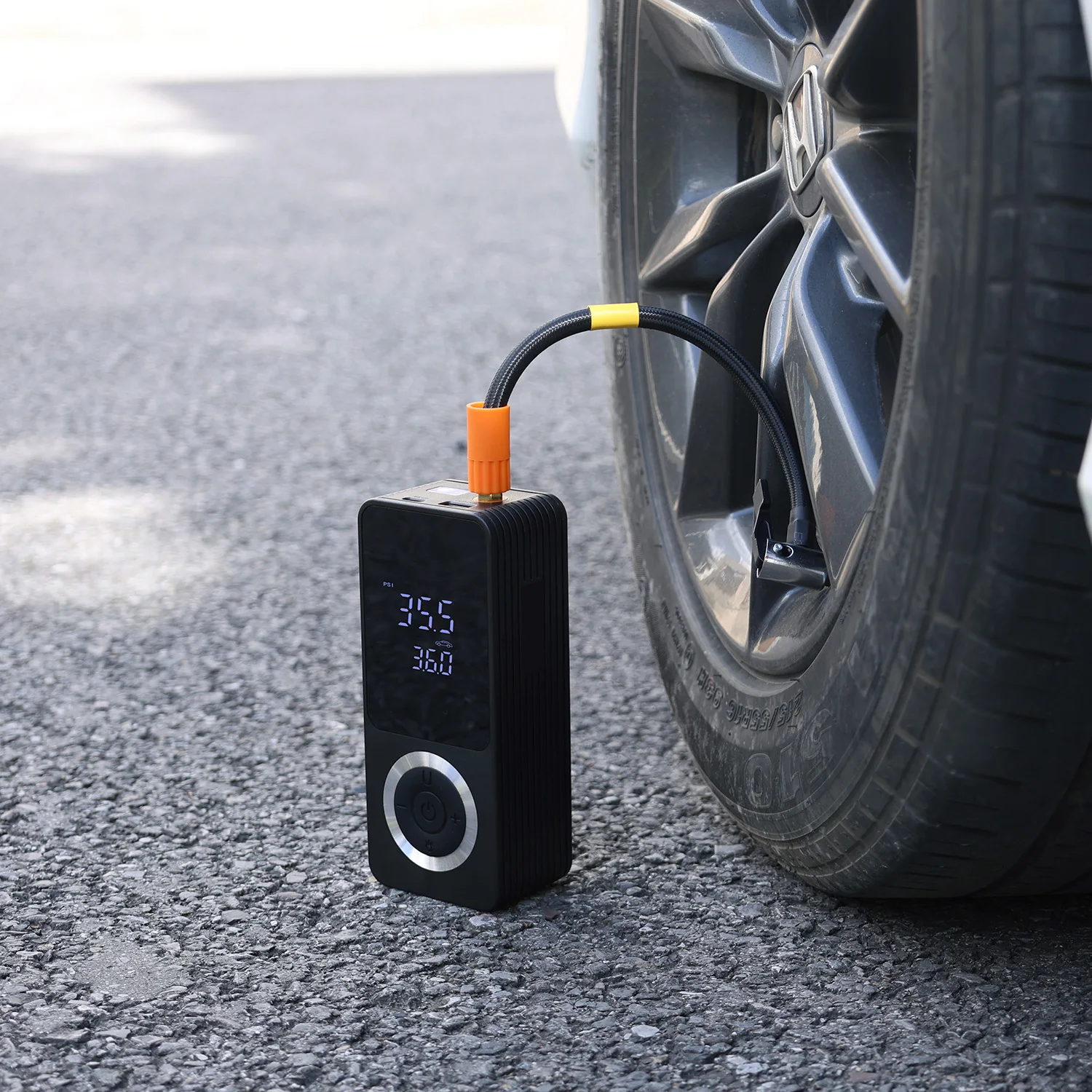
For decades, the only portable option for inflating a tire was a 12V compressor that plugged into the car's cigarette lighter socket. It worked, but it required the engine to be running, the cable to reach the tire, and the driver to know what pressure to stop at. It was slow, awkward, and easy to over-inflate. Most drivers never bought one.
The shift started when tire pressure monitoring systems (TPMS ) became mandatory in new vehicles — 2008 in the US, 2012 in Europe. Suddenly, drivers had a dashboard warning telling them exactly when their pressure was low. Awareness went up. But the tools available to act on that awareness didn't change fast enough.
That gap — between knowing there's a problem and being able to fix it — is what the current generation of compact, battery-powered inflators is closing. A driver who carries one no longer needs to find a station, wait for help, or leave the car. They handle it on the spot, in the time it takes to drink a coffee.
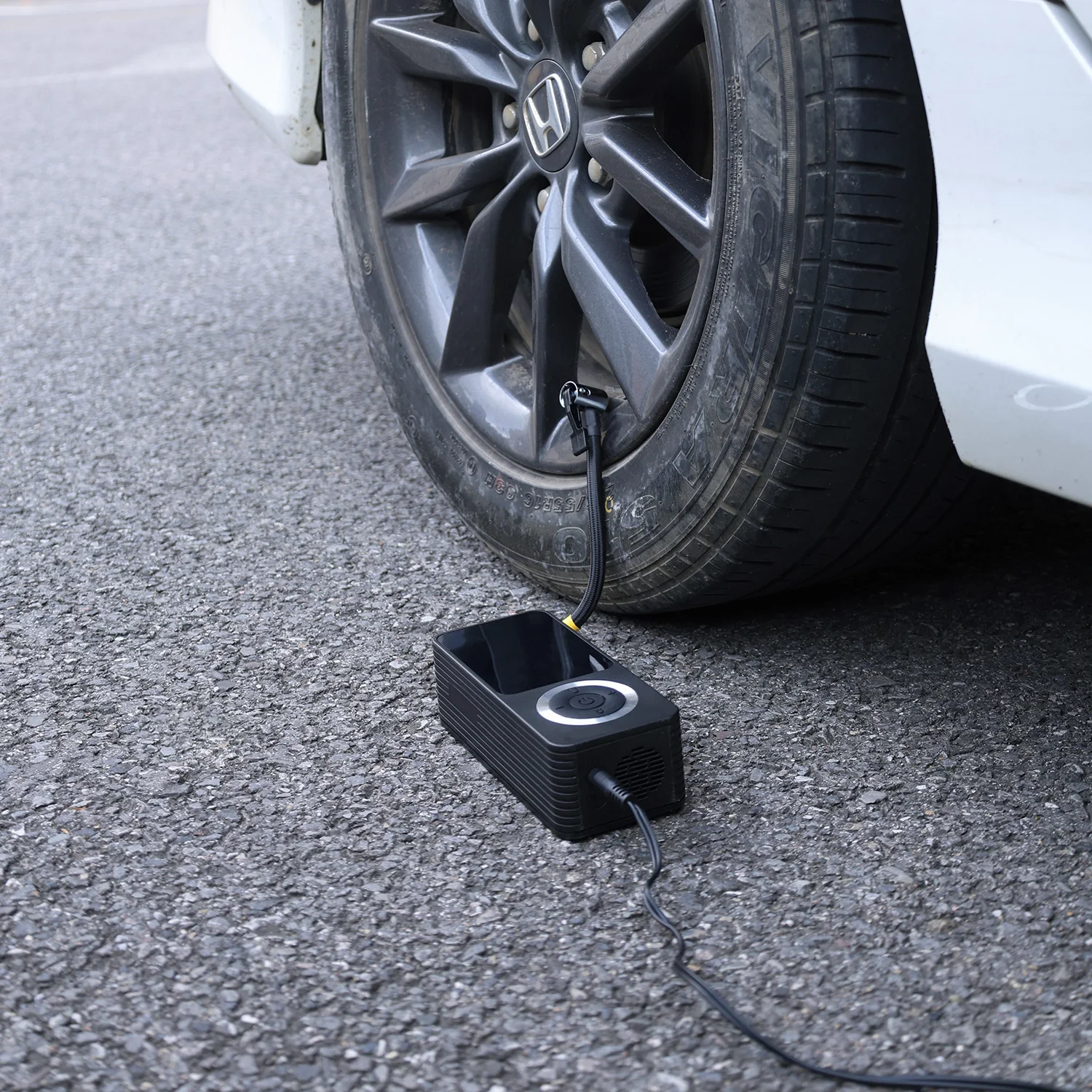
When a driver is on the side of the road with a low tire, they are not thinking about specifications. They are thinking about three things: Can I use this without reading a manual? Will it actually work right now? And will it get me back on the road quickly?
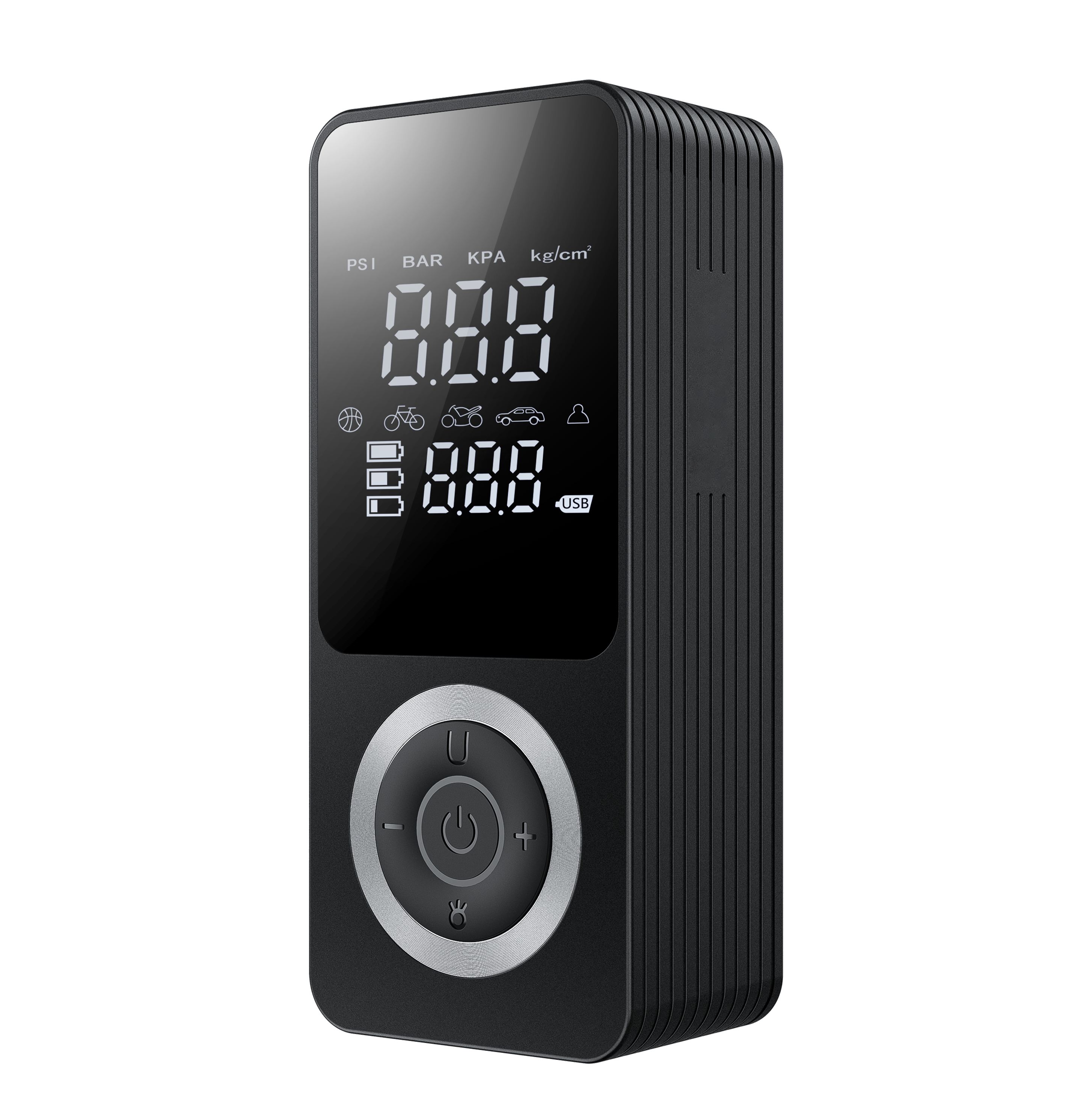
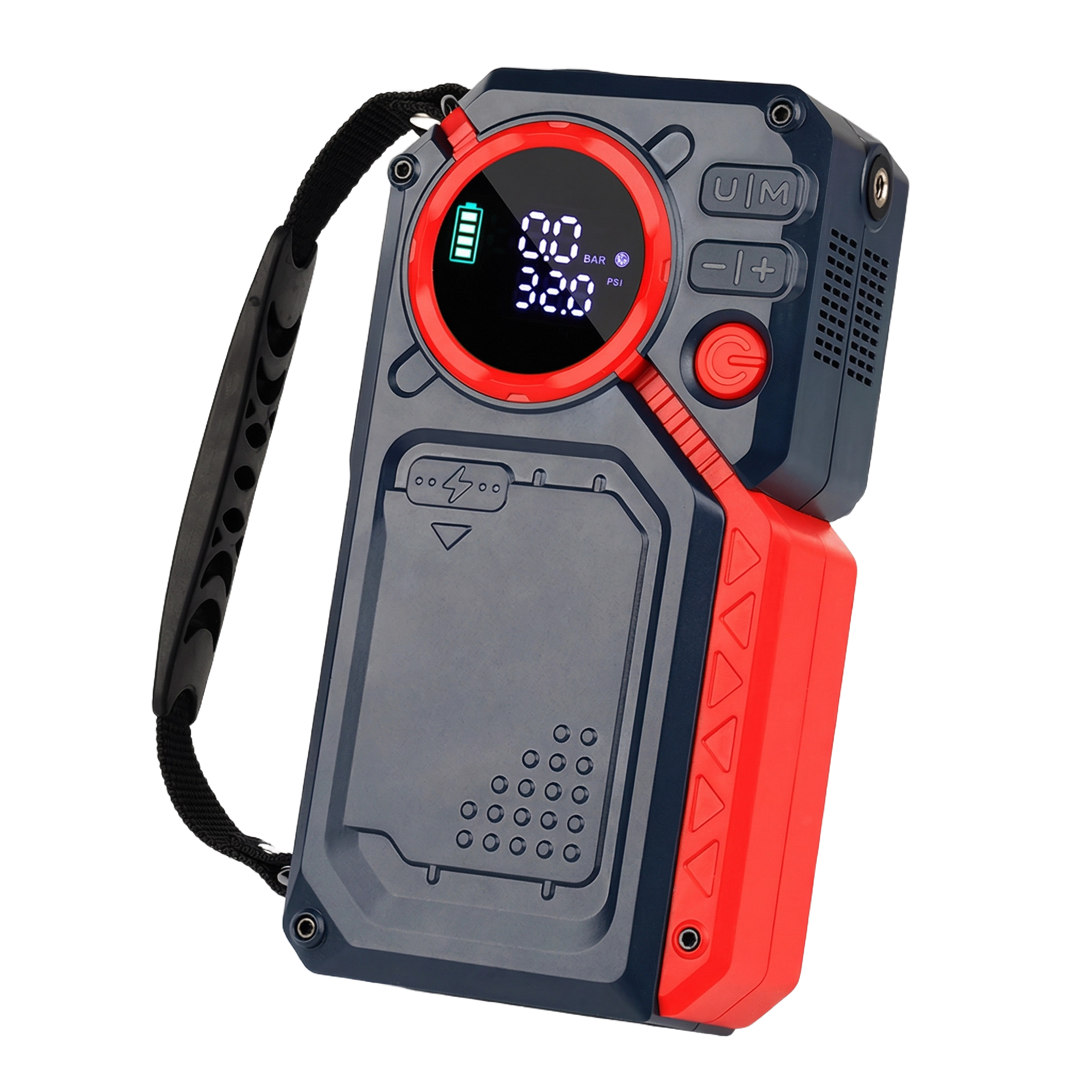
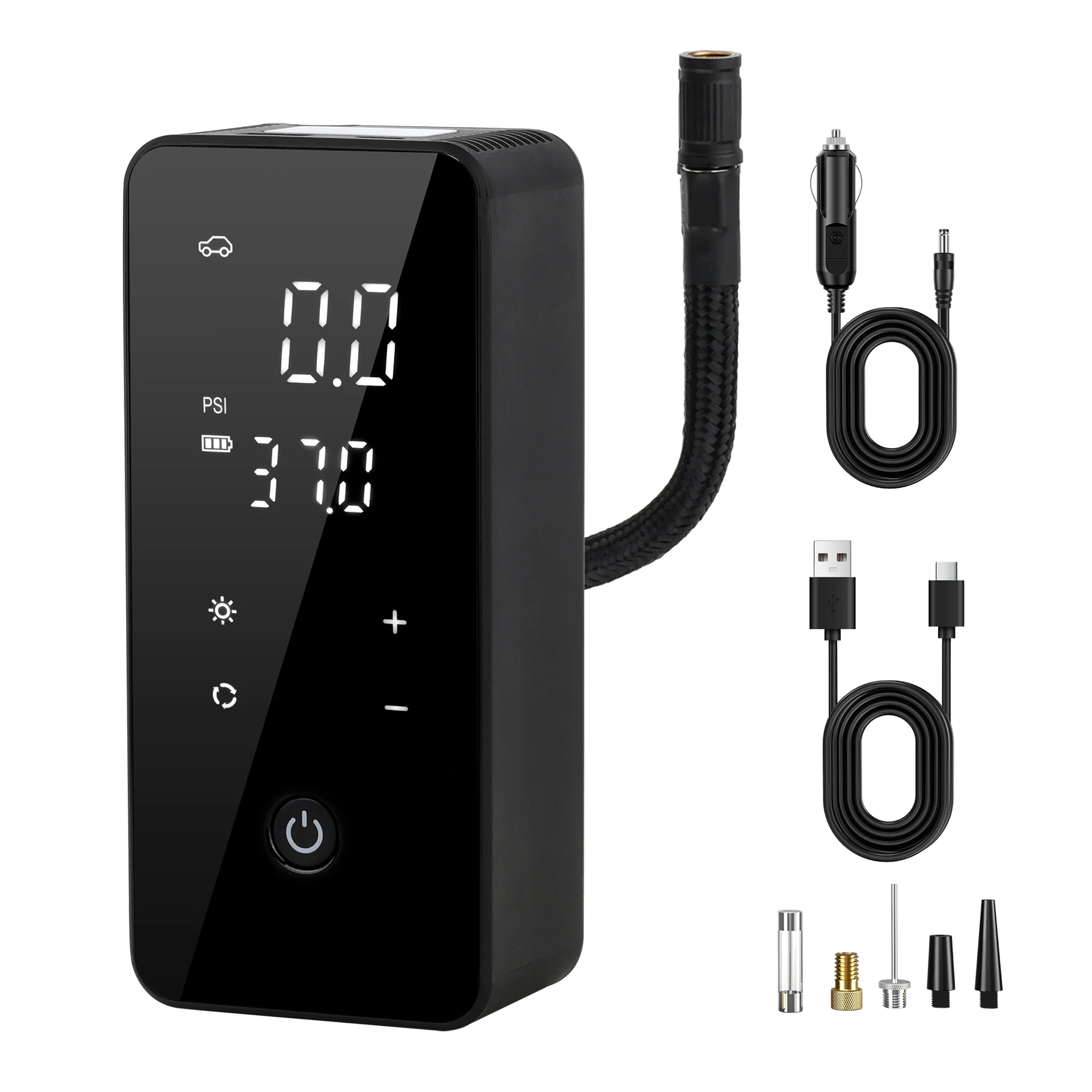
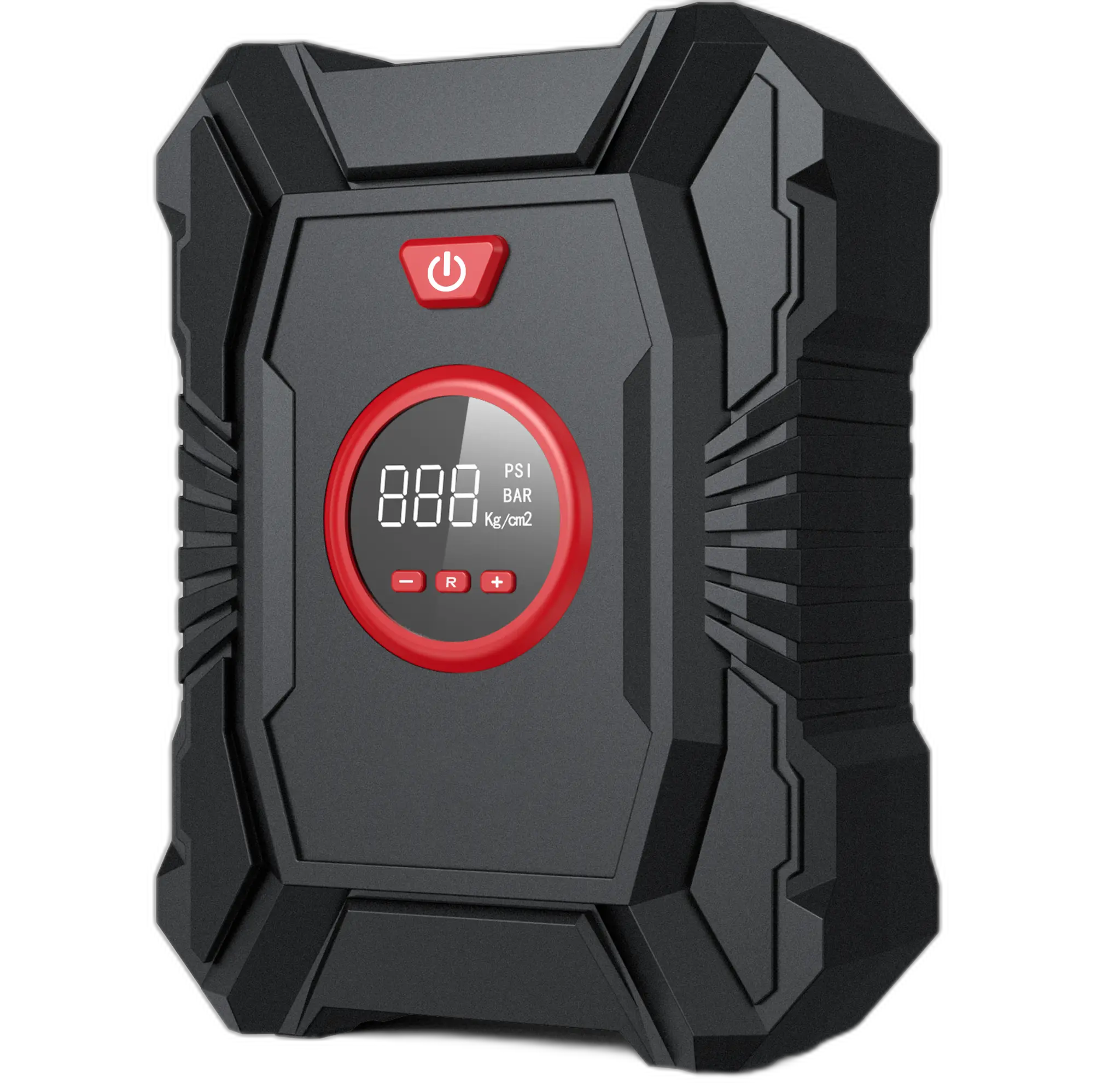
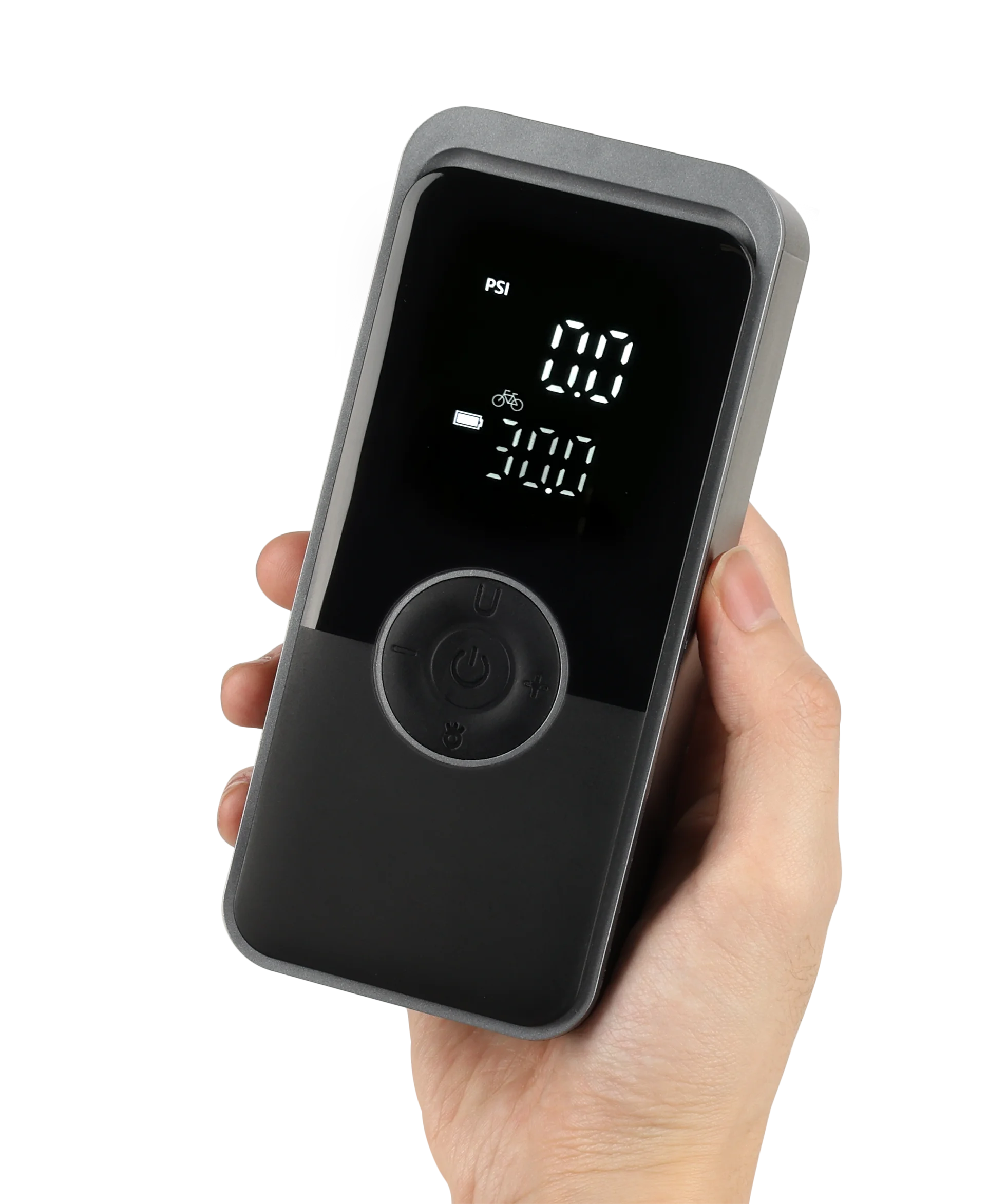
The tools that answer all three questions share a few common traits. They are cordless — no hunting for a power source. They have a clear digital display that shows current and target pressure. They stop automatically when the right pressure is reached. And they have a backup power option for the inevitable moment when the battery hasn't been charged in months.
These are not premium features. They are the minimum standard that a driver in a stressful situation needs in order to actually use the tool. Products that miss any one of these points get returned, get bad reviews, and don't get recommended to other drivers.
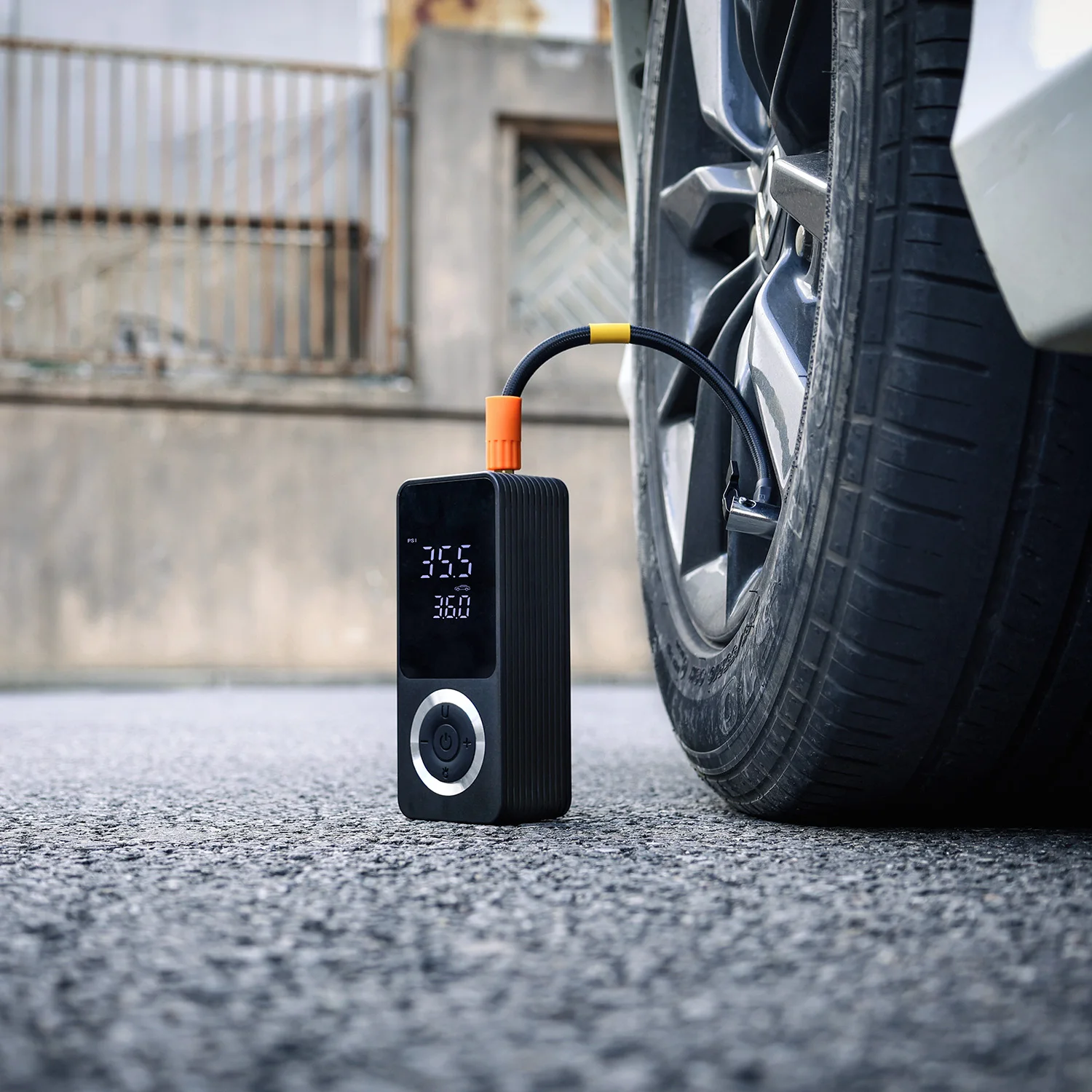
The cordless tire inflator market has grown steadily because the use case requires no explanation. Every driver has experienced a low tire. Every driver understands the value of being able to fix it without calling for help. The product sells because the problem is universal.
For brands and retailers sourcing in this category, the differentiation comes down to execution: how fast does it inflate, how reliable is the auto-shutoff, how long does the battery last, and does the backup power option actually work when needed. These are the details that drive repeat purchases and positive reviews — and the details that separate products that move from products that sit on shelves.
Fitco's U23018 was built around these requirements. If you are sourcing a cordless inflator for your market, we are happy to send a sample so you can test it in the conditions your customers actually face.
Sourcing This Product for Your Market?
Contact Fitco for samples, OEM pricing, and lead time. Response within 24 hours.

Shanghai Fitco: We OEM/ODM tire inflators, automotive tools & jump starters for importers, distributors, retailers all over the world for 20+ years.

Chat with us on WhatsApp
Room 1603, Zstar Plaza, No. 7, Pubei Road, Xuhui District, Shanghai, China.
Copyright © Shanghai Fitco Industrial Tools Company All Rights Reserved Privacy Policy
 EN
EN