EN
EN

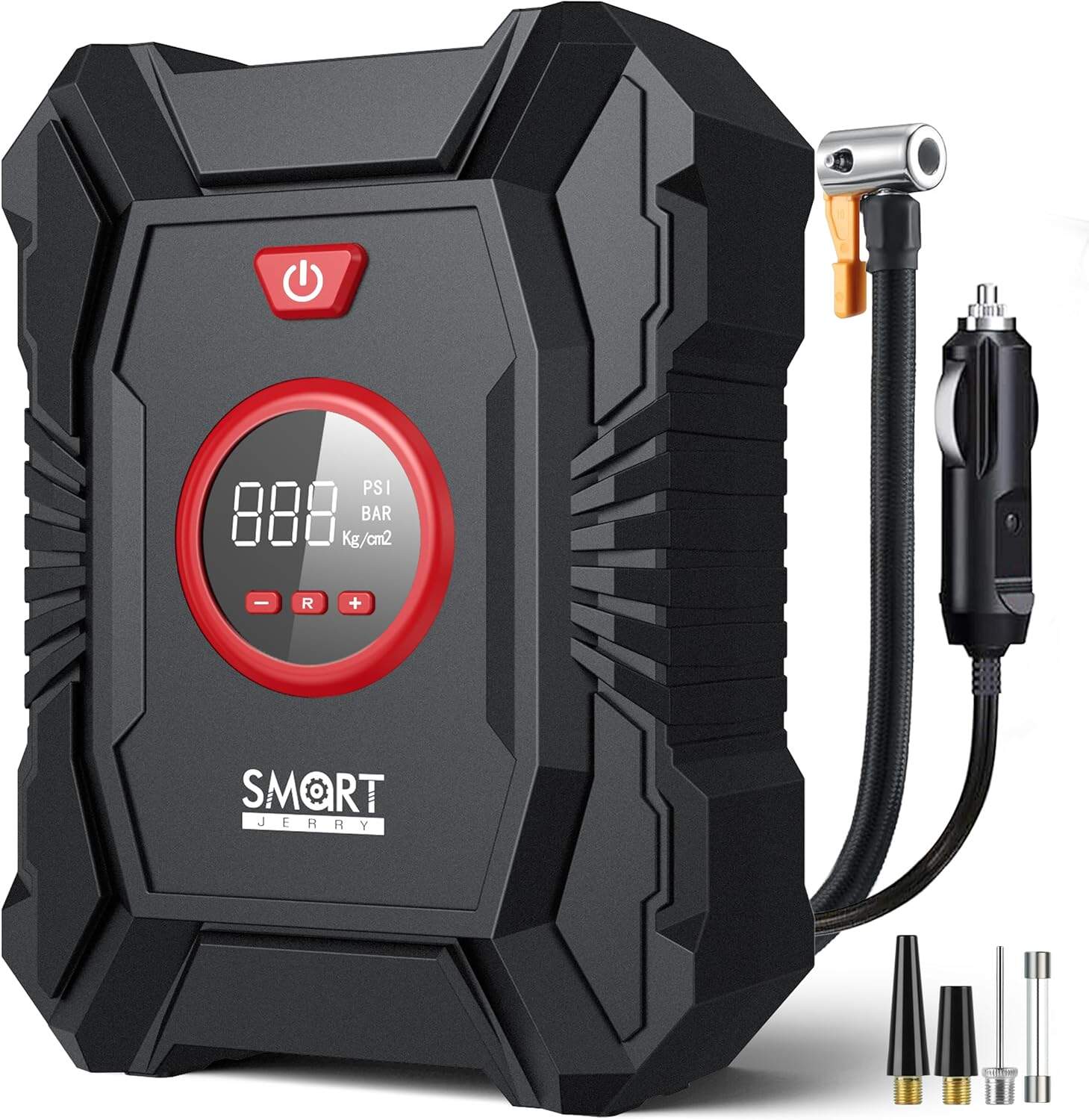
The global market for portable automotive accessories is booming. According to industry analysts, the global tire inflator market is projected to exceed USD 1.2 billion by 2028, driven by rising vehicle ownership, the growth of e-commerce automotive categories, and increasing consumer demand for roadside safety tools. For brands looking to enter or expand their product line, the portable tire inflator presents a high-demand, high-value opportunity.
But the success of your product launch doesn't just depend on the product itself — it hinges on the capability and reliability of your OEM manufacturing partner. The wrong supplier can cost you months of delays, failed compliance audits, and a product that doesn't survive its first season on shelf.
Choosing a supplier is more than comparing price lists and spec sheets. It's about finding a partner who understands your brand's vision, quality standards, and market needs. This guide walks you through the four critical factors every brand manager and procurement specialist should evaluate before signing an OEM agreement — and the questions you should be asking at every stage.
1. A Diverse Product Matrix: Depth Over Breadth
A supplier's product portfolio reveals their true engineering depth. A capable OEM partner should offer solutions across multiple price points and use cases — not just one generic SKU. This versatility allows your brand to address different market segments from a single, trusted source, and it signals that the supplier has invested in genuine R&D rather than simply repackaging commodity components.
When evaluating a supplier's product range, look beyond the catalog. Ask whether their products span different power sources (12V corded, 20V cordless, dual-power), different pressure ratings (100 PSI for standard passenger vehicles vs. 150 PSI for SUVs and light trucks), and different feature sets (standalone inflator vs. multi-function emergency tool). A supplier with genuine depth can grow with your brand as your product line evolves.
| Product Type | Key Specs | Best For | Fitco Model |
|---|---|---|---|
| All-in-One Emergency Tool | 150 PSI · 12000mAh · 800A Peak · Jump Starter + Inflator + Power Bank | Premium automotive brands, roadside emergency kits | U25006 → |
| High-Performance Cordless | 150 PSI · 20V/12V Dual Power · 10000mAh · 0–36 PSI in 4 min | Consumer electronics brands, Amazon private label | U23019 → |
| Reliable 12V Essential | 100 PSI · 12V DC · 0–35 PSI in 5 min · Integrated storage design | Entry-level retail, auto parts distributors | U25001 → |
2. Deep Customization: Making the Product Yours
For a brand, OEM is not just about getting a product — it's about making the product yours. A top-tier OEM partner understands this and offers comprehensive customization that goes far beyond stamping a logo on a generic shell. True customization means your product looks, feels, and communicates differently from every competing SKU on the shelf.
Before signing with any OEM supplier, ask for samples of their previous customization work. A capable partner should be able to show you real examples of branded packaging, color-matched housing, and localized user manuals they've produced for other clients. If they can't, they're a contract manufacturer, not a brand partner.
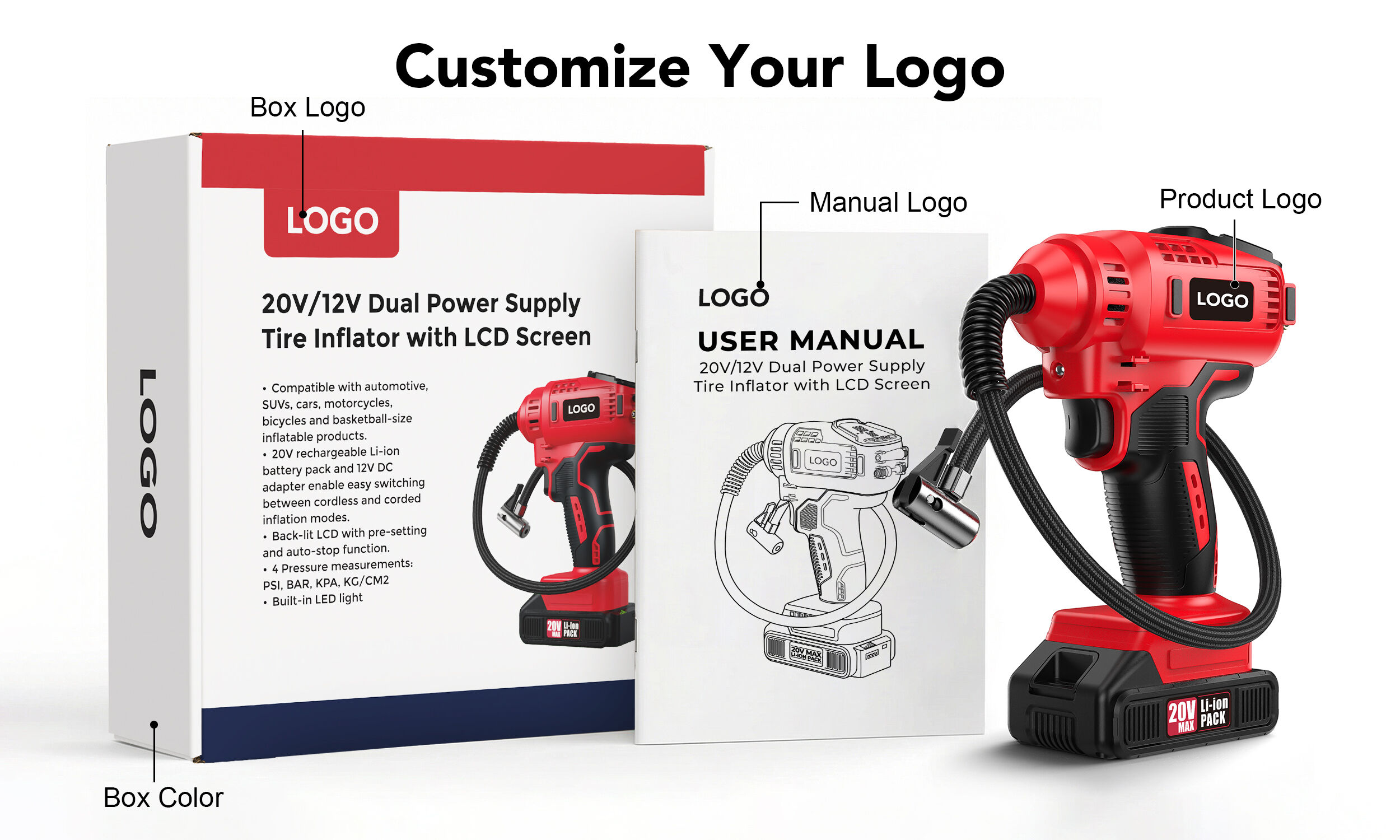
Flexible MOQ from 500 units. Whether you're launching a new product line or testing a new market, a low entry threshold means you can move fast without overcommitting capital. Delivery for orders under 3,000 units is guaranteed within 30 days.
Ready to Start?
Get Your Custom OEM Proposal in 24 Hours
Tell us your target market, volume, and product requirements — we'll respond with a tailored quote.
3. Compliance & Certification: Your Passport to Global Markets
A product that fails to meet the regulatory standards of your target market is not just a liability — it's a dead end. Customs holds, retailer rejections, and platform removals are all real consequences of working with an uncertified supplier. Your OEM partner must hold the necessary certifications to ensure smooth market entry, especially if you're targeting North America or Europe.
Understanding what each certification actually means for your business is equally important. Here's what Fitco's certification portfolio covers:
| Certification | What It Covers | Why It Matters to You |
|---|---|---|
| CE | Electromagnetic compatibility, electrical safety (EN55014, LVD) | Mandatory for EU market entry. Without it, your product cannot legally be sold in Europe. |
| RoHS | Restriction of hazardous substances (lead, mercury, cadmium, etc.) | Required by major EU and UK retailers. Protects your brand from liability and ensures retailer compliance. |
| FCC | Radio frequency emissions and electromagnetic interference | Required for the US market. Essential for Amazon.com listings and major US retail chains. |
| ISO 9001 | Quality management system standard | Confirms the supplier has documented, auditable processes — not just a one-time quality check. |
| BSCI | Business Social Compliance Initiative audit | Required by European retailers and brands with ESG commitments. Covers labor standards and factory ethics. |
Fitco CE Certificate of Conformity (valid to 2030) — issued under Shanghai Fitco Industrial Tools Company:
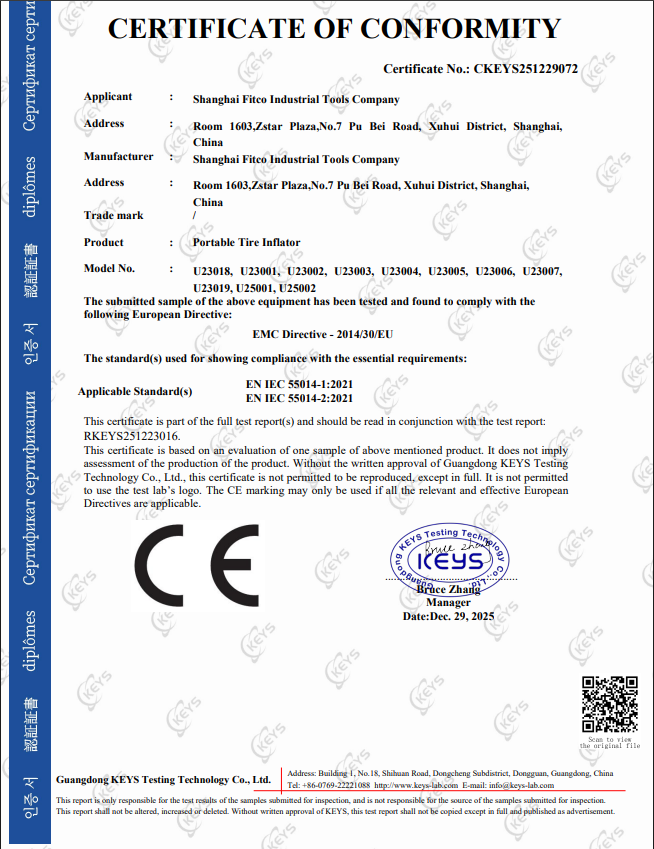
All certifications are held by Fitco or our certified manufacturing partner in Ningbo, China.
4. Supply Chain Reliability: On-Time Delivery, Every Time
A great product is useless if it's stuck in production. Supply chain reliability is the backbone of your business — and it's where many suppliers fall short. Vague lead time commitments, opaque production schedules, and inconsistent quality are the most common complaints from brands that have switched OEM partners. At Fitco, we answer these questions directly and in writing.
Lead Time
Standard OEM orders under 3,000 units ship within 30 days from order confirmation and deposit receipt. For larger orders, we provide a detailed production schedule within 48 hours of deposit, broken down by production stage — so you can plan your marketing launch and distribution calendar with real confidence, not guesswork.
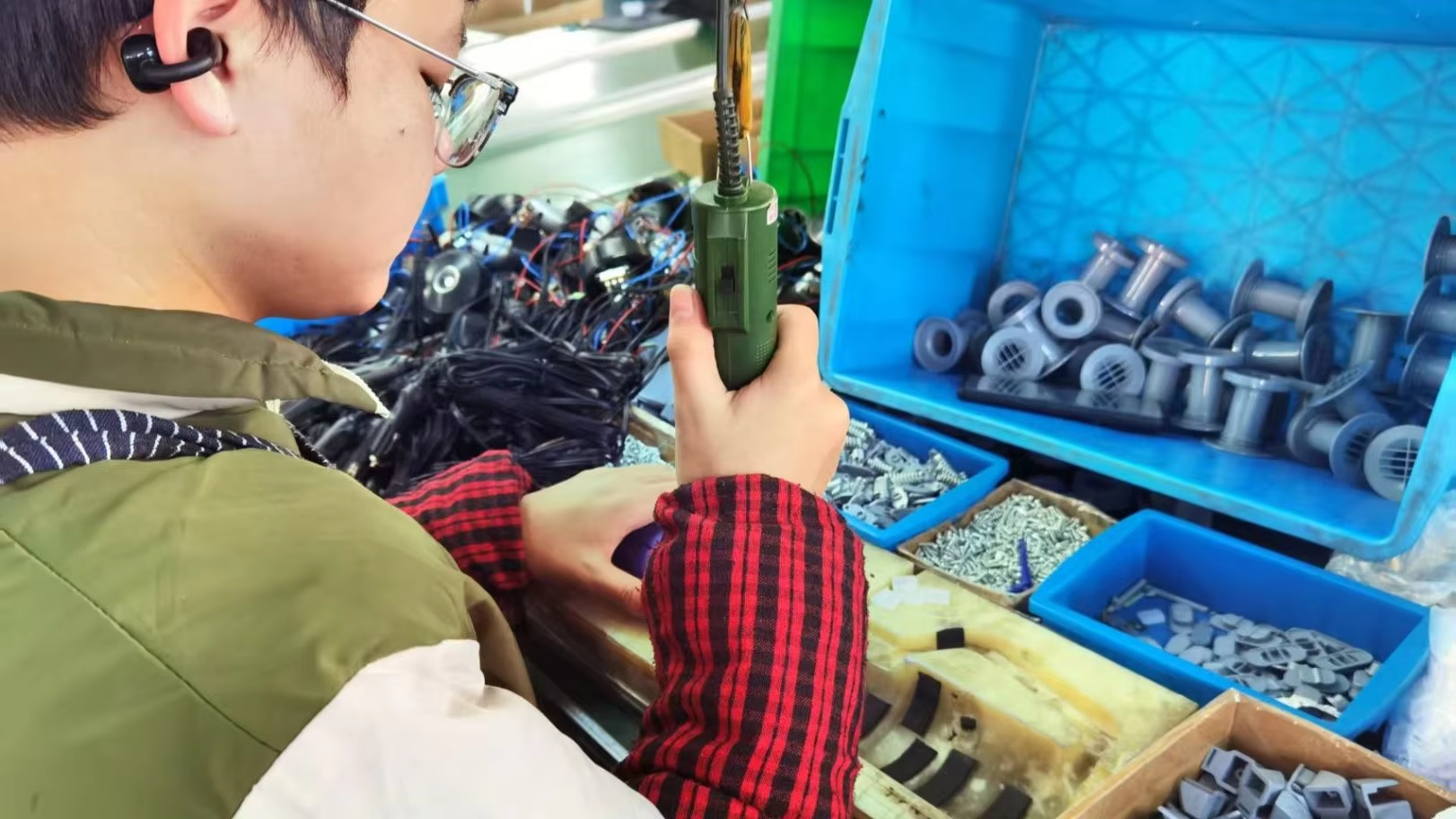
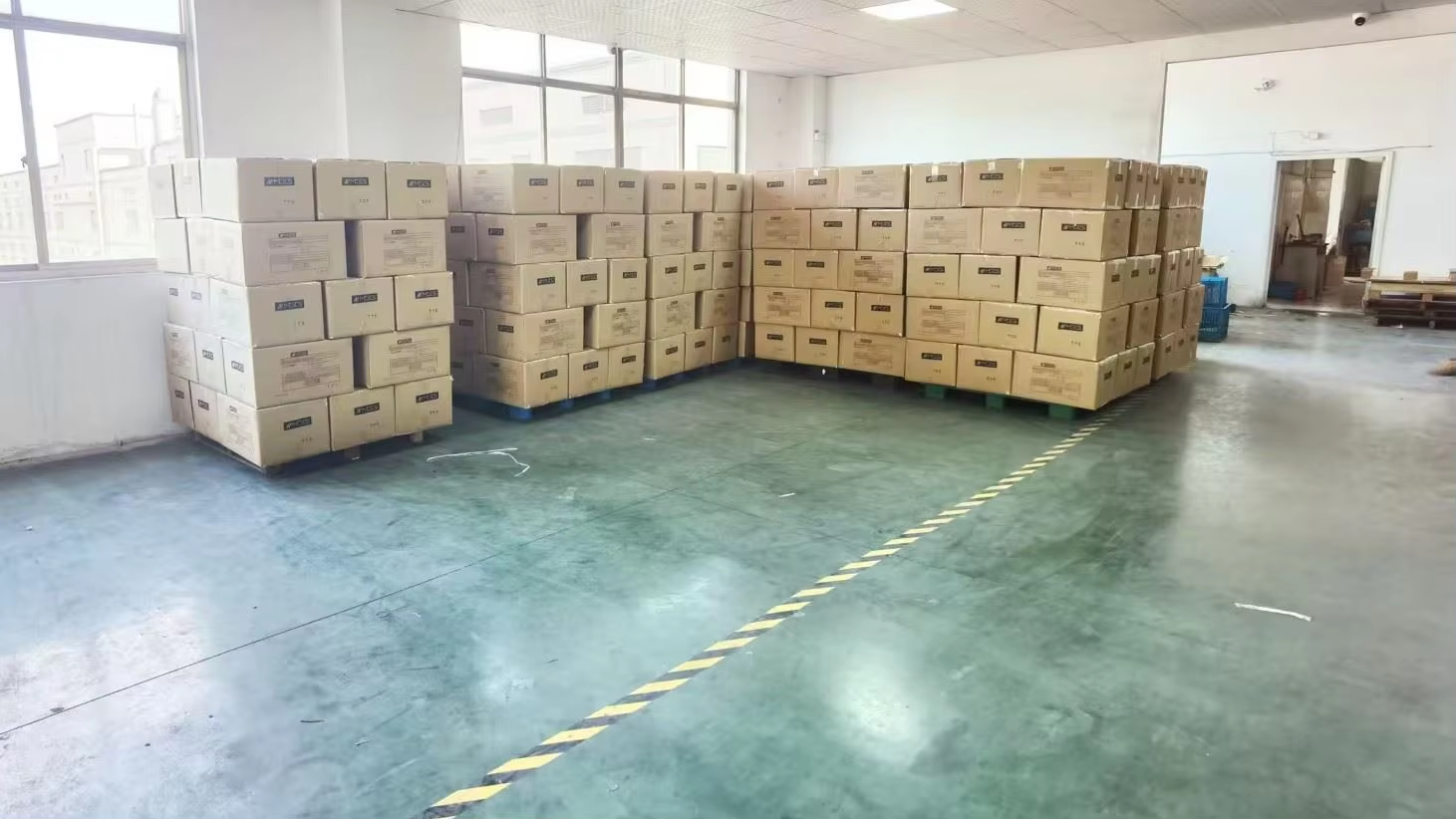
Assembly line and finished goods warehouse at our Ningbo production facility.
Production Capacity
Our Ningbo production facility operates dedicated assembly lines for tire inflator products, with the capacity to scale for seasonal demand peaks without subcontracting to unverified third parties. This matters because subcontracting is where quality control breaks down — a risk we eliminate by keeping production in-house. The facility covers the full production cycle, from raw material intake and component stamping through PCB soldering, final assembly, and pre-shipment inspection.
Quality Control Process
Our dedicated QC team of 3 full-time inspectors uses specialized equipment at every stage of production. For motor endurance, we use Guangyuan air pump life testers that simulate continuous duty cycles to verify motor longevity beyond rated specifications. For pressure accuracy and airtightness, we use WEIBO WB-2C vacuum pressure gauges to confirm that each unit holds and reads pressure within tolerance. Products also undergo batch aging tests on dedicated racks before shipment to identify early-failure units before they reach your customers.
Final inspection follows ANSI/ASQC Z1.4 sampling standards with AQL levels of Critical 2.5 / Functional 2.5 / Cosmetic 4.0. Third-party inspections are not just permitted — they are welcomed. Our facility has passed Intertek verification, and we can coordinate directly with your nominated inspection agency.
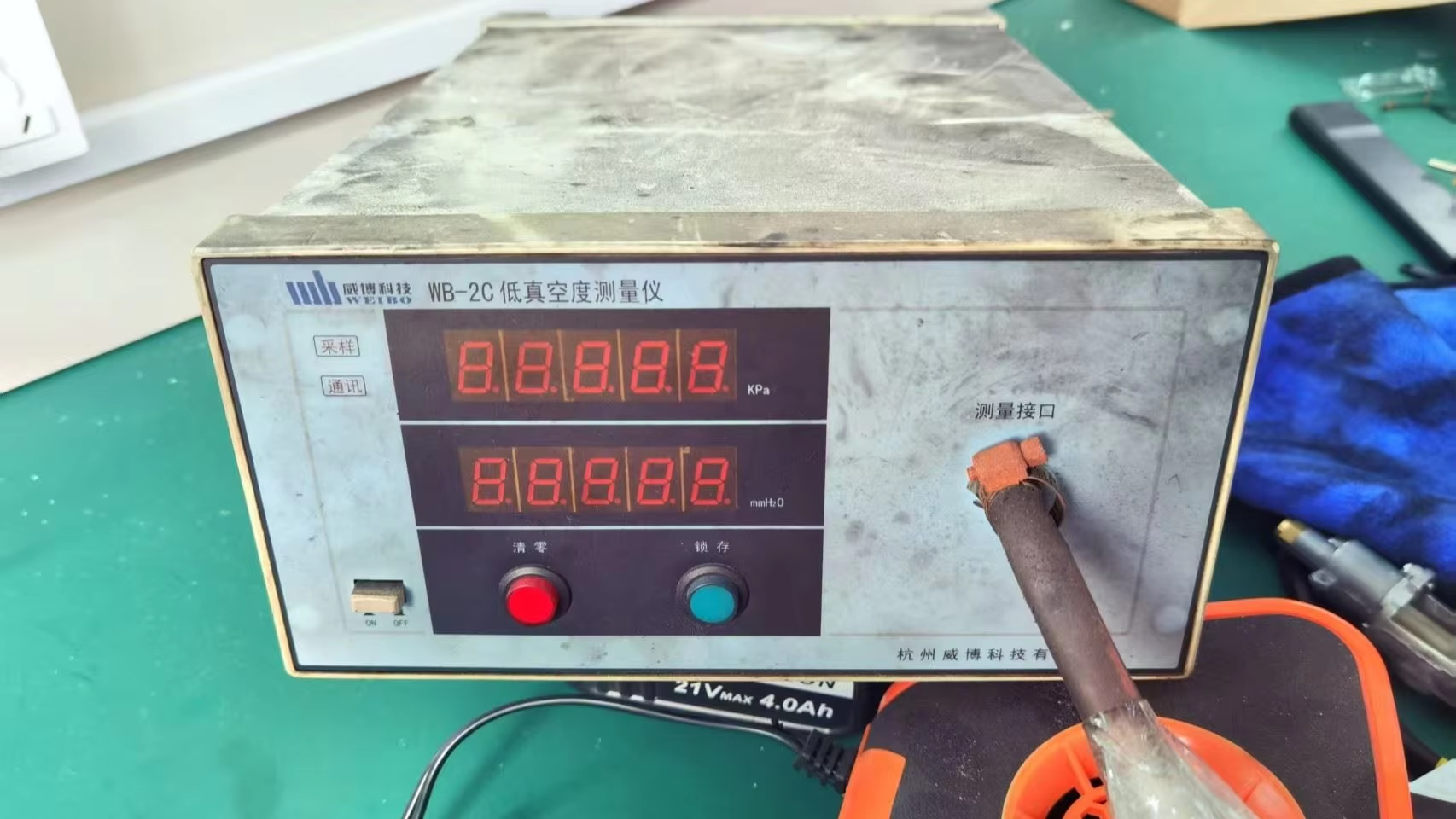
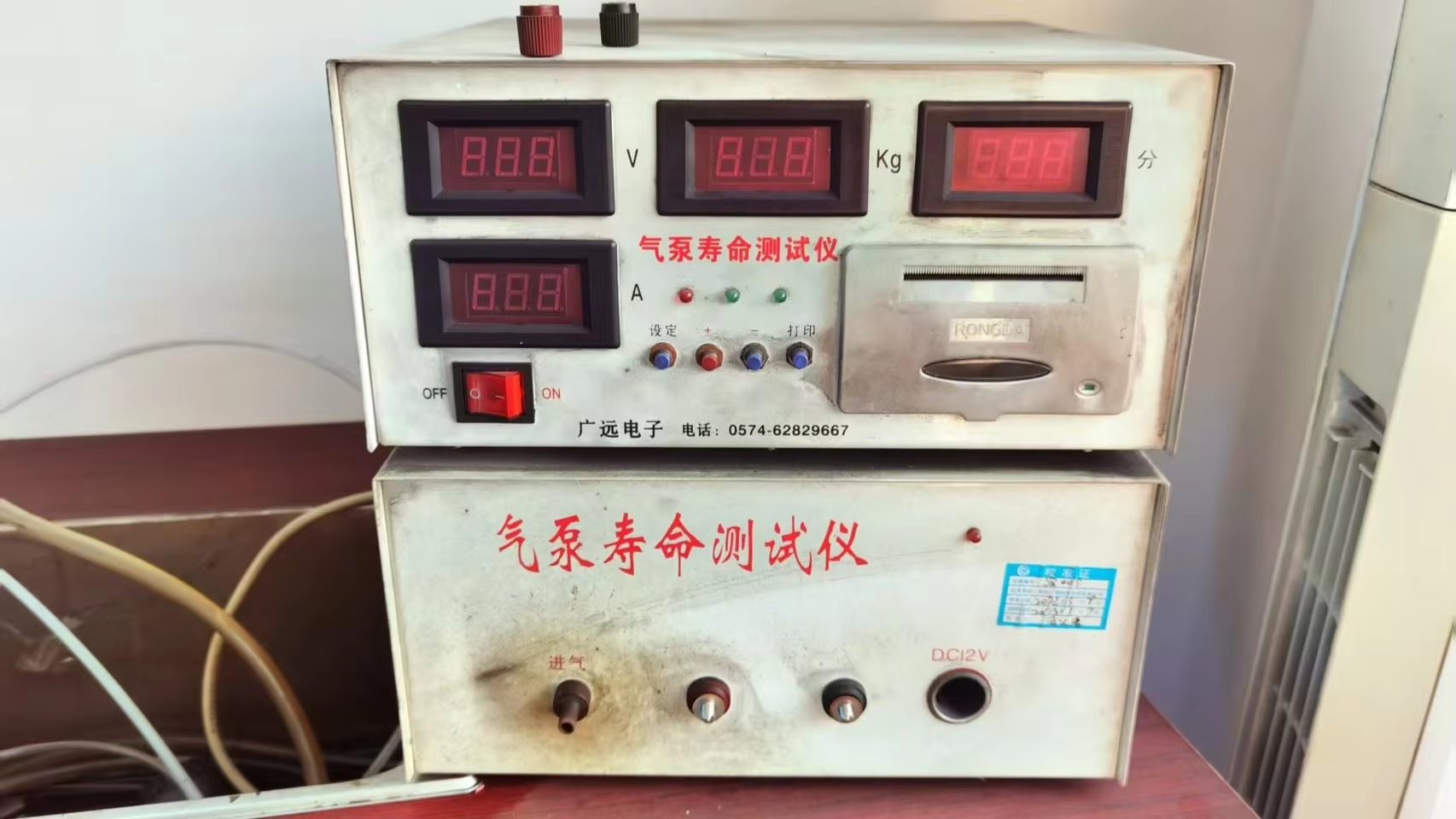
Left: WEIBO WB-2C vacuum pressure gauge for airtightness testing. Right: Guangyuan life tester for motor endurance verification.
On-Time Delivery Rate: 100% across all fulfilled OEM orders in 2025. A reliable partner gives you concrete answers, not vague reassurances — and backs them up with a track record.
Conclusion: Choose a Partner, Not Just a Supplier
Selecting an OEM partner for your portable tire inflator line is a strategic decision that will shape your brand's reputation and margins for years. Price is a factor, but it's rarely the differentiator that matters most. What separates a good OEM relationship from a costly mistake is the supplier's ability to deliver consistent quality, meet compliance requirements for your target markets, and execute on time — every time.
Evaluate suppliers on the four dimensions covered in this guide: product depth, customization capability, certification coverage, and supply chain reliability. Ask for documentation, request samples, and don't accept vague answers to specific questions. A supplier who can't give you a concrete lead time or explain their QC process in detail is a supplier who hasn't earned your business yet.
At Fitco, we've spent over 10 years building expertise not just as a sourcing and export specialist, but as a brand partner. We've even built our own consumer brand — Smart Jerry — because we understand the journey from concept to customer firsthand. We provide the engineering depth, customization infrastructure, and supply chain discipline to help you launch a product that is not only high-quality but genuinely differentiated in your market.
Next Step
Ready to Source Your Portable Tire Inflator OEM?
Share your target market, annual volume, and product requirements. We'll send a detailed OEM proposal — including pricing, lead time, and certification coverage — within 24 hours.
Start Your OEM Project →Charlie
OEM Business Development Manager, Fitco
Charlie leads OEM partnerships at Fitco, working with brands across Europe, North America, and Southeast Asia to develop private-label tire inflator product lines. With hands-on experience across product development, compliance, and supply chain management, Charlie helps brands navigate the full journey from initial brief to shelf-ready product.